Karungkarni Art and Culture Aboriginal Corporation, Kalkaringi, Victoria River Region, Northern Territory
On 16 August 1975, Prime Minister Gough Whitlam travelled to Daguragu and poured a handful of Gurindji soil into the palm of Vincent Lingiari, returning a portion of traditional land nine years after Lingiari had led over 200 people off Wave Hill Cattle Station. The Walk-Off of 23 August 1966 had brought out Gurindji, Mudburra, Bilinarra, Ngarinyman, Malngin and Wanyjirra workers and their families in protest against conditions imposed by the Vestey Group, whose Aboriginal workers received less than a quarter of the minimum wage and often only rations. What began as a strike for fair pay became a demand for country, and it became the founding act of the Aboriginal land rights movement in Australia. The Aboriginal Land Rights (Northern Territory) Act followed in 1976; freehold title to Gurindji pastoral and traditional lands was recognised in 1986. Many of the elders who had walked off Wave Hill were still alive when Karungkarni Art and Culture Aboriginal Corporation was established in 2011, and it was at their request that the corporation was formed.
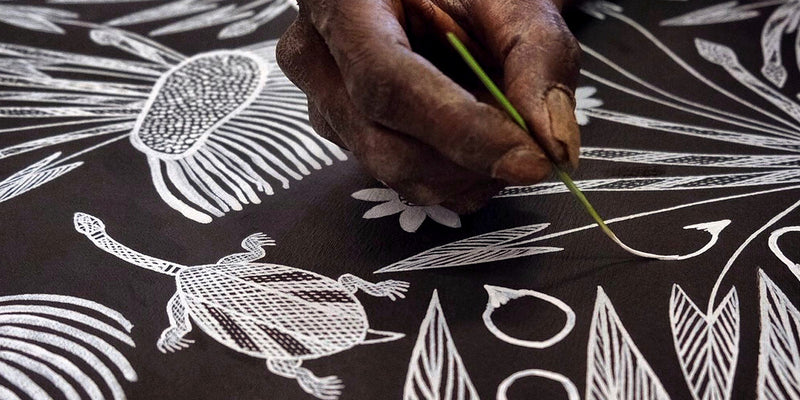
The art centre takes its name from Karungkarni, the Child Dreaming hill south of Kalkaringi, a sacred site whose name the founding elders chose deliberately: a reminder of their responsibility to pass cultural knowledge to their children. Kalkaringi sits on Gurindji Country on the Buntine Highway, 800km southwest of Darwin in the Victoria River Region, alongside the neighbouring community of Daguragu. The art centre is the cultural heart of both communities, owned and governed by its Gurindji artists. Artwork is predominantly dot painting on linen, distinguished by an exquisitely precise and vibrant style, alongside traditional artefacts including kawarla (coolamon) and kurrupartu (boomerang). Paintings draw on Gurindji Dreaming stories, country and the history of the walk-off; a 2015 artist camp produced visual interpretations of oral histories recorded in the Gurindji language for the book Yijarni: True Stories from Gurindji Country. The annual Freedom Day Festival each August at Daguragu commemorates the 1975 handback.
Karungkarni Art and Culture at a glance
- Location: Lot 65 Buntine Highway, Kalkaringi, Northern Territory, 800km southwest of Darwin
- Language group: Gurindji (also Mudburra, Bilinarra, Ngarinyman, Malngin and Wanyjirra)
- Established: 2011 at the request of Gurindji elders, many of whom participated in the 1966 Wave Hill Walk-Off; owned and governed by Gurindji artists
- Art forms: Dot painting on linen; traditional artefacts including kawarla (coolamon) and kurrupartu (boomerang)
- Style: Exquisitely precise, vibrant dot painting expressing Gurindji Dreaming stories, country and history
- Historical significance: Kalkaringi/Daguragu is the birthplace of the Aboriginal land rights movement in Australia; the Wave Hill Walk-Off Track is National Heritage listed
- Annual event: Freedom Day Festival, August, Daguragu, commemorating the 1975 handback of land
- Notable artists: Saretta Fielding, Judy Napangardi Martin, Rachel Rennie Naparurla, Biddy and Jimmy Wavehill