What Is National Reconciliation Week?
National Reconciliation Week is held each year from 27 May to 3 June. It is a time for everyone in Australia to learn about the country's shared history and to consider how to contribute to reconciliation between Aboriginal and Torres Strait Islander peoples and non-Indigenous Australians.
Why 27 May and 3 June Are Significant
The dates of National Reconciliation Week mark two major events. On 27 May 1967, Australians voted in a national referendum to remove discriminatory references to Aboriginal people in the Constitution. It was a key moment in the push for equal rights.
On 3 June 1992, the High Court delivered the Mabo decision. This ruling recognised native title and confirmed that Aboriginal and Torres Strait Islander peoples had existing land rights before colonisation. It overturned the concept of terra nullius.
National Reconciliation Week follows National Sorry Day on 26 May, which acknowledges the Stolen Generations and the harm caused by forced child removals.
About the 2026 Theme: All In
The theme for National Reconciliation Week 2026 is All In, a call for all Australians to commit wholeheartedly to reconciliation every single day. All In makes clear that reconciliation is not a spectator sport. It requires stepping away from the sidelines and taking action. The theme also acknowledges that reconciliation is not solely the responsibility of First Nations people, who have carried that weight for far too long.
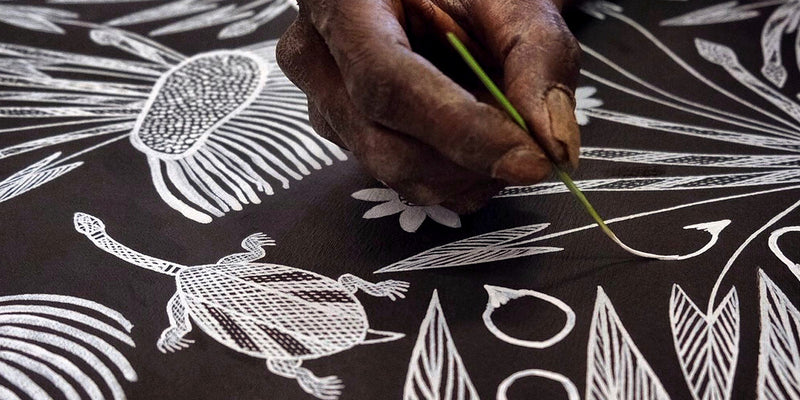
The 2026 campaign was created in collaboration with Carbon Creative, a First Nations-owned and operated marketing and creative agency. The artwork is by Gumbaynggirr/Bundjalung artist Otis Hope Carey. His work is called Gaagal, a Gumbaynggirr word meaning "Ocean." Carey uses the ocean as a metaphor for people from all walks of life swirling together in the reconciliation journey. The concentric circles and flowing patterns in the work reflect water in motion, rippling outward as voices and actions invite others into change.
What Reconciliation Means in Australia
Reconciliation is about strengthening relationships. It involves truth-telling, recognition of ongoing inequalities, and support for justice and equity. It is not about blame. It is about understanding and respect.
Australia's history of colonisation includes dispossession, violence and racism. While important steps have been taken, the process of reconciliation is ongoing. It takes time and consistent effort.
How to Take Part in Reconciliation Week
Across the country, schools, workplaces and community groups host activities such as open days, film screenings, art workshops and cultural tours. Reconciliation Australia provides resources and a national events calendar. Many of the resources are also available in commonly spoken languages other than English.
People are encouraged to learn the name of the Country they live on, connect with local Aboriginal organisations, and attend events that centre First Nations voices.
What You Can Do Beyond the Week
Reconciliation does not stop at the end of the week. There are many ways to stay involved throughout the year. Reading works by Aboriginal and Torres Strait Islander authors, listening to First Nations podcasts, and supporting Indigenous-owned businesses are just some options.
Reconciliation Australia also supports organisations with Reconciliation Action Plans and offers guidance on long-term engagement. Whether as an individual, a school, or a business, there is always a way to contribute.
A Brief History of National Reconciliation Week
National Reconciliation Week began in 1993 as the Week of Prayer for Reconciliation. It was supported by major religious groups during the International Year of the World's Indigenous Peoples.
In 1996, the Council for Aboriginal Reconciliation launched the first official National Reconciliation Week. In 2001, Reconciliation Australia was established, and the same year, more than 300,000 people walked across the Sydney Harbour Bridge to show their support. Similar walks happened across the country.
That public support remains an important part of the reconciliation movement.
To learn more or find events in your area, visit the Reconciliation Australia website or browse the NRW 2026 events calendar.