Not really, and it depends on why you want to.
If the purpose is educational, to help students understand the meaning and history of Aboriginal art, it can be appropriate when done with care and respect. But if the intent is decorative or commercial, it is not appropriate. Aboriginal art is not a visual trend or a style to borrow; it is a cultural practice connected to Country, ancestry, and ceremony. To imitate it without understanding or permission risks turning culture into commodity.
Understanding Aboriginal Art
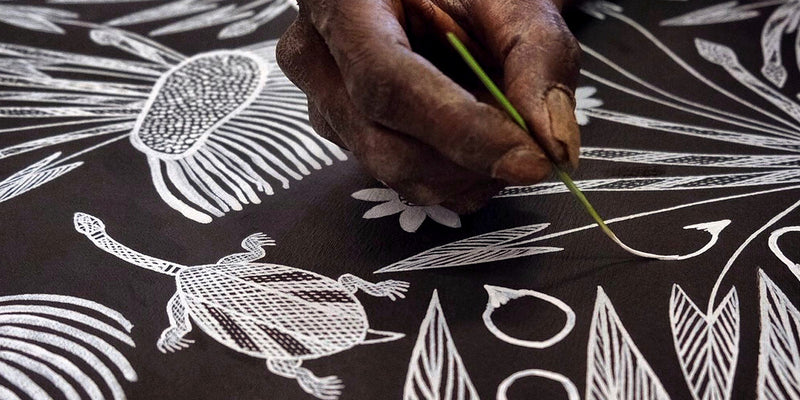
Aboriginal art is inseparable from the knowledge systems and identities of Indigenous Australian peoples. Every design, symbol, and colour carries cultural authority. Many relate to the Dreaming, the vast body of stories that describe the creation of the land and the moral order that follows from it. This art is not historical; it continues to be made, taught, and renewed. Each generation maintains its place within a continuing cultural lineage.
Cultural Appropriation and Cultural Learning
The question is not simply one of copying images, but of respecting the systems of knowledge they belong to. Cultural appropriation occurs when motifs are used outside their rightful context or without consent. Cultural learning, on the other hand, involves humility and engagement. It means recognising the boundaries of what can be shared and what must remain within community.
Ethical Practice in Art and Education
In classrooms, Aboriginal art should be taught as a field of cultural study rather than a template for imitation. Teachers can guide students to explore the meanings of symbols, the connection between art and landscape, and the ways that knowledge is passed on. The aim is to build understanding, not replication.
- Education: Teach about Aboriginal art through its stories and significance, not by copying its forms. Encourage students to create their own visual language instead.
- Collaboration: Work with Aboriginal artists or seek advice from community art centres to ensure any representation is respectful and informed.
- Acknowledgment: Always make clear where knowledge and inspiration come from, and distinguish between Aboriginal artworks and those that are simply influenced by them.
Better Ways to Engage
- Invite Aboriginal Artists: Workshops led by Aboriginal artists allow students and communities to learn directly from those who hold the knowledge.
- Support Authentic Art: Purchase and promote works from community-run art centres where artists are supported and culture is respected.
- Create Original Work: Let Aboriginal art inspire curiosity about story, place, and connection, but express these ideas through your own cultural perspective.
Aboriginal art endures because it is lived. To engage with it requires sensitivity and care. Ask why you wish to use it, and if your reasons are grounded in respect and learning, involve Aboriginal voices in the process. In doing so, you honour both the artists and their culture